

Dubai’s real estate market continues to attract property buyers, homeowners, and investors looking for residential and commercial properties. However, purchasing a property involves more than evaluating its location, design, and price. Understanding building maintenance responsibilities, property condition, and applicable regulations is also important.
The Real Estate Regulatory Agency (RERA), operating under the Dubai Land Department (DLD), plays an important role in regulating real estate activities and overseeing the management of jointly owned properties in Dubai. Its responsibilities include monitoring the management, operation, maintenance, and repair of common areas and facilities in applicable properties.
For individual buyers and homeowners, arranging a professional property inspection in Dubai can provide additional insight into a property’s physical condition before handover, purchase, or occupancy.
At SnagAssure, we help property buyers and owners identify visible defects and finishing issues through detailed property snagging and inspection services.
What Is RERA in Dubai?
RERA stands for the Real Estate Regulatory Agency. It operates under the Dubai Land Department and is responsible for regulating and monitoring various real estate activities in Dubai.
RERA’s responsibilities include overseeing relevant real estate activities, regulating the management of jointly owned properties, monitoring applicable service charge accounts, and handling certain complaints concerning property management.
Dubai Law No. 6 of 2019 concerning ownership of jointly owned real property sets out important responsibilities relating to building management, maintenance, common facilities, and service charges.
For property owners, understanding RERA’s role can help clarify the distinction between regulatory oversight and the practical assessment of a property’s physical condition.
How Does RERA Relate to Property Inspection?
RERA has responsibilities related to the management and maintenance of jointly owned properties, including common areas and shared facilities. It oversees aspects of property management, building maintenance, repairs, and the management of service charge accounts.
These responsibilities may involve common areas, shared facilities, service charge accounts, and the performance of relevant property management entities.
However, RERA’s regulatory responsibilities should not be confused with a private property snagging inspection arranged by a buyer or homeowner. A private inspection focuses on identifying visible defects and issues within the specific property being assessed.
For example, a buyer purchasing a new apartment may want to check flooring, doors, windows, plumbing fixtures, electrical fittings, and finishing quality before accepting the property.
A professional property inspection helps document these observations so the buyer can raise relevant concerns with the developer or responsible party.

Why Is Property Inspection Important Before Handover?
Before accepting a newly built apartment or villa, buyers should understand the property’s visible condition and identify outstanding defects where possible.
A pre-handover inspection can help identify:
- Uneven flooring, damaged tiles, and poor finishing.
- Cracks, paint defects, and imperfections in walls or ceilings.
- Doors and windows that do not operate properly.
- Visible plumbing leaks and drainage concerns.
- Defects in accessible electrical fittings and fixtures.
- Issues with accessible air conditioning components.
- Incomplete work and other visible snagging concerns.
Identifying these issues before handover can help buyers prepare a snag list and request corrective work from the developer.
Snagging inspections do not replace statutory approvals, specialist engineering assessments, or formal safety inspections where these are required. Their purpose is to document the property’s observable condition and highlight concerns that may need further investigation.
RERA, Building Maintenance, and Common Areas
In residential buildings with jointly owned property, maintenance responsibilities can involve management entities, developers, owners, and other relevant parties.
Depending on the property’s legal and management arrangements, common areas may include:
- Corridors and shared entrances.
- Lifts and shared building facilities.
- Common plumbing and drainage systems.
- Shared mechanical and electrical installations.
- Communal amenities and other common facilities.
Dubai’s jointly owned property framework establishes responsibilities for managing and maintaining applicable common areas and facilities. RERA has regulatory and oversight functions within this framework.
Individual unit owners should distinguish between defects inside their own apartments or villas and maintenance concerns involving shared areas. The appropriate reporting and repair process may differ depending on the issue, ownership arrangements, and applicable rules.
Where concerns relate to common areas or building management, owners can consult their building management and relevant Dubai Land Department channels for guidance.
How SnagAssure Supports Property Buyers and Owners
SnagAssure provides property inspection and snagging services in Dubai to help buyers, homeowners, and investors understand the visible condition of their properties.
Our inspections are intended to identify observable defects, incomplete work, finishing problems, and other concerns that may require attention.
1. Property Snagging Inspection
Our property snagging inspections help identify visible defects in apartments and villas, including finishing problems, damaged fittings, and incomplete work. The findings can help property buyers prepare a list of concerns to discuss with the developer.
2. Pre-Handover Inspection
A pre-handover property inspection helps buyers assess their property’s visible condition before accepting the keys. SnagAssure checks accessible areas and documents observed issues so buyers can raise outstanding concerns before handover.
3. Apartment Inspection
Our apartment inspection services focus on accessible areas and visible components, including flooring, walls, doors, windows, plumbing fixtures, and electrical fittings. The inspection helps buyers and owners understand the property’s observable condition.
4. Villa Inspection
Villa inspections help identify visible defects and finishing issues across accessible interior and exterior areas. These may include doors, windows, flooring, plumbing fixtures, and other observable components.
5. De-Snagging Inspection
After a developer or contractor has addressed previously reported defects, a de-snagging inspection can help verify the visible condition of the relevant items and identify issues that may remain unresolved.
Learn more about our property inspection services in Dubai and professional snagging services in Dubai.
What Should Buyers Do Before Accepting a Property?
Before completing a property handover, buyers can take several practical steps to understand the condition of their new home.
Step 1: Arrange an inspection. Schedule a property inspection before handover where possible, allowing enough time to assess accessible areas.
Step 2: Document visible defects. Record the location and nature of each issue, using photographs where appropriate.
Step 3: Prepare a snag list. Organise the findings into a clear list that can be shared with the developer or responsible party.
Step 4: Request corrective action. Submit the documented concerns through the appropriate developer or property management process.
Step 5: Review completed repairs. Where necessary, arrange a follow-up inspection to assess whether reported issues have been addressed.
These steps can help buyers manage the handover process more effectively. The applicable contractual terms, developer procedures, and legal requirements should also be considered.
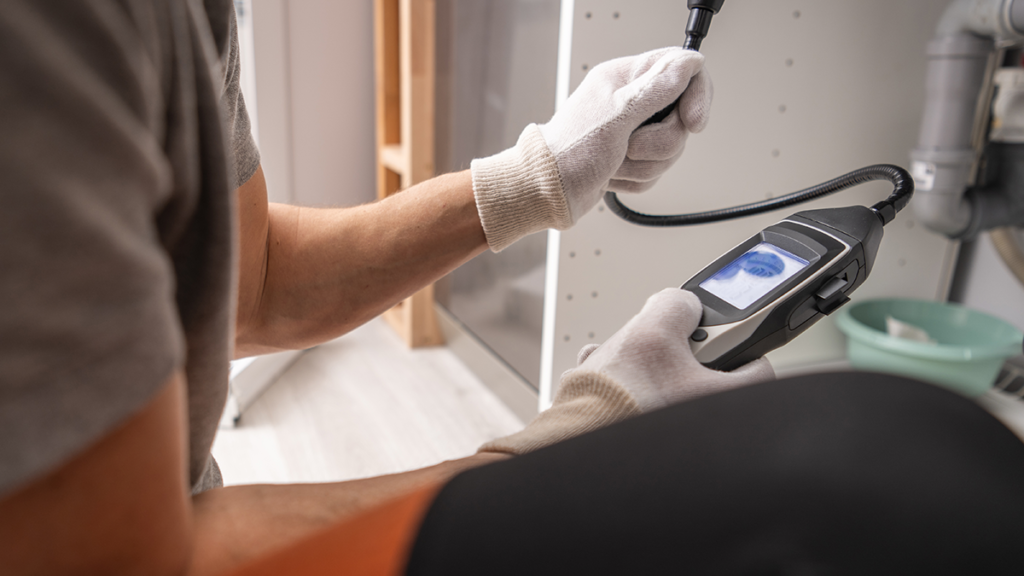
Understanding Dubai Property Inspection Regulations and RERA
RERA has responsibilities related to the management and maintenance of jointly owned properties, including common areas and shared facilities. It oversees aspects of property management, building maintenance, repairs, and the management of service charge accounts.
These responsibilities may involve common areas, shared facilities, service charge accounts, and the performance of relevant property management entities.
However, RERA’s regulatory responsibilities should not be confused with a private property snagging inspection arranged by a buyer or homeowner. A private inspection focuses on identifying visible defects and issues within the specific property being assessed.
For example, a buyer purchasing a new apartment may want to check flooring, doors, windows, plumbing fixtures, electrical fittings, and finishing quality before accepting the property.
A professional property inspection helps document these observations so the buyer can raise relevant concerns with the developer or responsible party.
Choose SnagAssure for Property Inspection in Dubai
Understanding property condition and identifying visible defects are important steps when buying or accepting a new property in Dubai. SnagAssure provides professional property inspection and snagging services for apartments and villas, helping buyers and homeowners identify finishing issues, faulty fittings, and outstanding defects before handover.
Whether you need a pre-handover inspection, apartment inspection, villa inspection, or property snagging service, our team can help you document concerns and make informed decisions about your investment.
Planning to buy or receive a property in Dubai? Contact SnagAssure today to discuss your property inspection requirements and arrange your inspection.