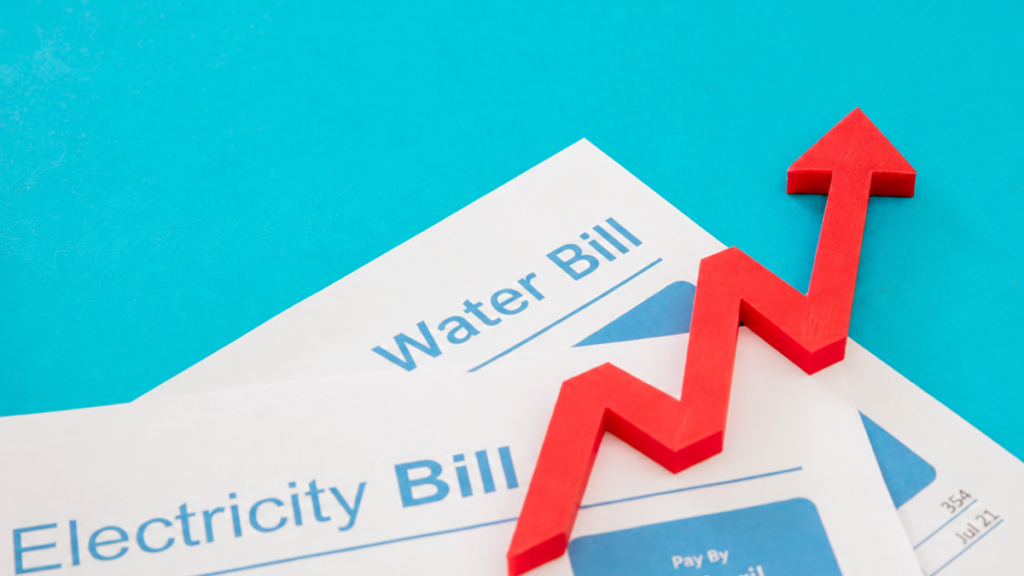
Have you noticed an unexpectedly high DEWA water bill in Dubai even though your daily water usage has not changed significantly? A sudden increase in water consumption can have several possible causes, but an undetected water leak is one issue that property owners should not overlook.
Water leaks are not always visible. A leaking pipe behind a wall, beneath a floor, inside a bathroom, or around a plumbing connection can continue releasing water without creating an obvious puddle or visible damage.
For homeowners, tenants, and property buyers in Dubai, understanding the signs of a possible hidden water leak can help identify plumbing problems before they develop into more serious property maintenance issues.
What Can Cause a High DEWA Water Bill?
A higher DEWA bill does not automatically mean that your property has a water leak. Changes in your normal water usage can also increase consumption.
Common reasons for increased water consumption include:
- More people living in the property
- Increased shower or bathroom usage
- Frequent cleaning or washing
- Garden or irrigation use
- Running toilets
- Dripping taps
- Faulty plumbing fixtures
- Water tank problems
- Hidden plumbing leaks
If your household’s normal routine has remained the same but your water consumption has increased unexpectedly, checking the property’s plumbing system may be worthwhile.
How Can a Hidden Water Leak Increase Your Water Bill?
A visible leak is usually easy to notice. For example, a dripping tap or leaking pipe under a sink can quickly be identified.
Hidden leaks are different.
A damaged or poorly connected pipe inside a wall or beneath flooring may continue leaking even when nobody is actively using water. Because the water loss can happen continuously, the increase in consumption may only become noticeable when you receive your monthly bill.
A small leak may not immediately create significant visible damage, but continuous water loss over time can become a concern.
Signs Your Property May Have a Hidden Water Leak
A high DEWA bill may be accompanied by other warning signs. Look around your property for the following indicators.
1. Unexplained Increase in Water Consumption
If your normal water usage has remained relatively consistent but your water consumption suddenly increases, investigate the possible causes.
Compare your recent bills with previous billing periods and consider whether there have been any changes in occupancy or water usage.
2. Damp Patches on Walls or Ceilings
Damp marks, water stains, peeling paint, bubbling surfaces, or discolouration may indicate moisture problems.
These signs can sometimes be associated with plumbing leaks, although they may also have other causes.
3. Moisture Around Bathrooms
Bathrooms contain multiple water supply and drainage connections. Unusual moisture around toilets, showers, sinks, walls, or flooring should not be ignored.
A concealed plumbing issue may sometimes develop without an obvious source of water.
4. A Toilet That Keeps Running
A toilet that continues to run after flushing can waste water continuously.
Because the sound may be relatively quiet, this problem can sometimes remain unnoticed for a long period.
5. Musty or Damp Odours
Persistent musty smells in bathrooms, kitchens, utility rooms, cabinets, or enclosed areas can sometimes indicate excessive moisture.
If an unusual smell is accompanied by dampness or staining, further inspection may be appropriate.
6. Unexpected Changes in Water Pressure
A noticeable change in water pressure can have several causes. In some cases, plumbing problems may be involved.
However, water pressure alone does not confirm a leak, so professional assessment may be required.
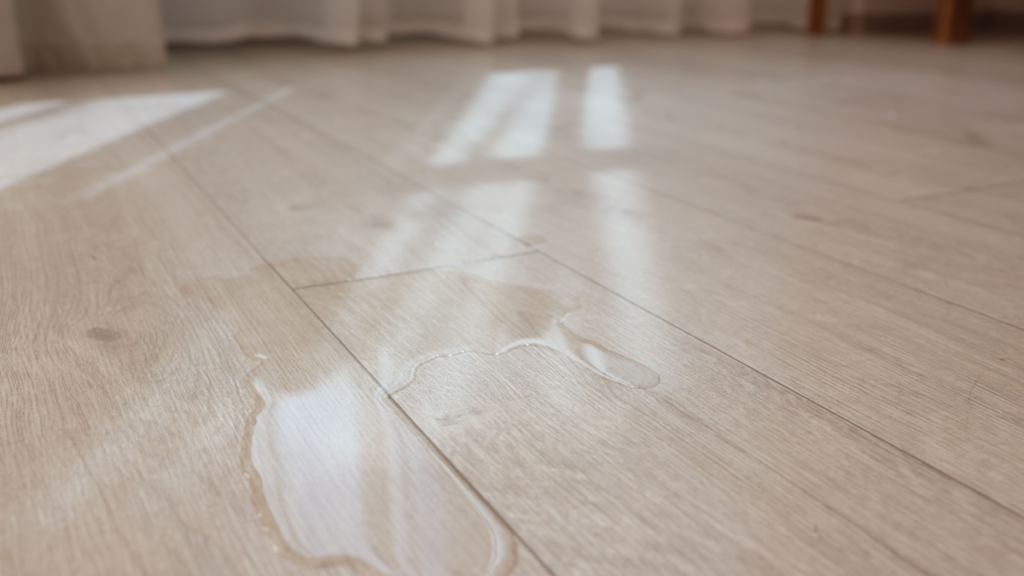
7. Damp Flooring or Unusual Moisture
If a floor remains damp without an obvious reason, particularly around bathrooms or plumbing areas, it may be worth investigating the source.
Where Can Hidden Water Leaks Occur?
Water leaks can occur in many areas of a property. Common locations include:
- Bathroom supply pipes
- Kitchen plumbing
- Toilet connections
- Shower areas
- Sink connections
- Water heaters
- Water tank connections
- Pipe joints
- Pipes inside walls
- Pipes beneath floors
- External water supply lines
Some leaks are easy to locate, while concealed leaks may require specialist equipment and professional leak detection.
How to Check for a Possible Water Leak
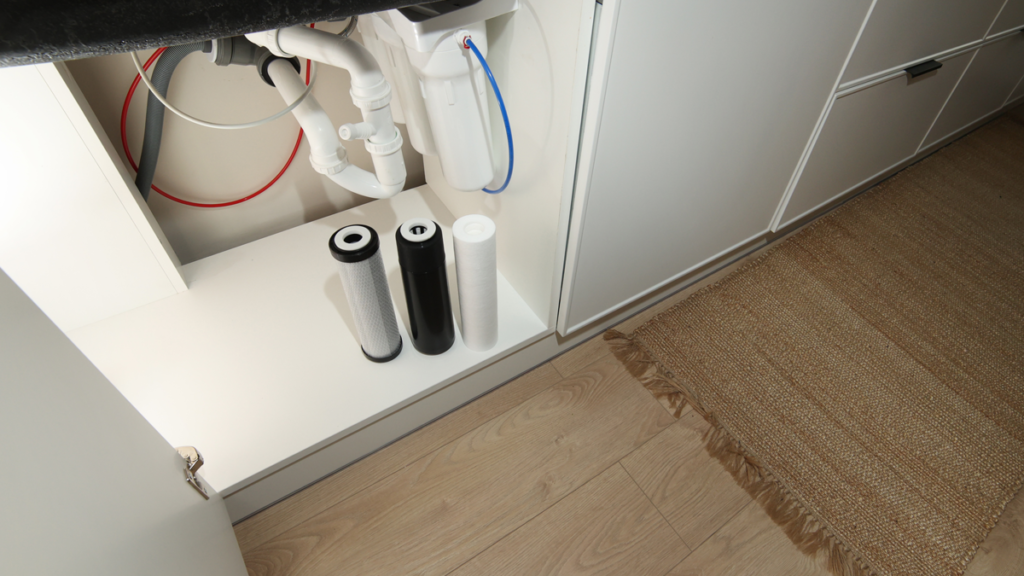
If you suspect a hidden water leak, begin by checking all accessible plumbing fixtures.
Inspect taps, toilets, sinks, showers, water heaters, exposed pipes, and visible connections for dripping, moisture, or other signs of leakage.
You can also monitor your property’s water consumption when there is no intentional water usage.
If all taps and water-using appliances are switched off but water consumption continues, this may indicate that further investigation is required.
However, this basic check cannot determine the exact location or cause of a potential leak.
Can a High DEWA Bill Confirm a Water Leak?
No. A high DEWA bill by itself does not confirm that a property has a hidden leak.
Water consumption can increase for many reasons, including changes in household activity, irrigation, cleaning, faulty fixtures, or increased occupancy.
Therefore, it is important to look at the overall situation rather than assuming that a higher bill is automatically caused by a plumbing leak.
If there is no obvious explanation for the increased consumption, a professional inspection can help identify visible plumbing defects or signs of water-related problems.
Why Hidden Water Leaks Matter for Property Buyers
Hidden plumbing problems are especially important when buying a property.
A property may look clean and well maintained during a normal viewing while concealed defects remain unnoticed.
For example, a buyer may not immediately notice:
- Minor plumbing leaks
- Damp areas
- Poorly sealed bathroom fixtures
- Water stains
- Faulty taps or toilets
- Drainage problems
- Plumbing installation defects
Discovering these problems after moving into the property can result in unexpected repair and maintenance requirements.
This is one reason why a professional property inspection in Dubai can be valuable before completing a property purchase or handover.
Property Snagging and Plumbing Defects
Property snagging involves checking a property for defects, finishing problems, installation issues, and other concerns that may require correction.
During a professional snagging inspection, accessible areas such as bathrooms, kitchens, plumbing fixtures, ceilings, walls, floors, doors, windows, and other components can be examined for visible defects.
Plumbing-related checks can help identify signs such as:
- Visible water leakage
- Dampness
- Poorly fitted fixtures
- Water stains
- Faulty taps
- Toilet issues
- Drainage concerns
- Problems around plumbing connections
Not every concealed leak can be identified through a standard property inspection. Some issues may require specialised plumbing or leak-detection equipment.
Why Property Inspection Is Important Before Handover
Buying a property is a significant investment. Before accepting a new property, it is important to identify defects that may require attention.
A professional property snagging inspection in Dubai can provide a structured assessment of accessible areas and help identify defects that may otherwise be overlooked during a quick walkthrough.
Identifying issues before handover can also make it easier for buyers to raise concerns with the developer or responsible party.
What Should You Do If Your DEWA Bill Suddenly Increases?
If you notice an unusual increase in your water bill, consider these steps:
Step 1: Compare Your Previous Bills
Review previous billing periods and compare your recent water consumption.
Step 2: Check Your Water Usage
Consider whether there have been changes in occupancy, cleaning, irrigation, or other water-consuming activities.
Step 3: Inspect Visible Plumbing Fixtures
Check taps, toilets, sinks, showers, water heaters, and accessible plumbing connections.
Step 4: Look for Signs of Moisture
Check walls, ceilings, floors, cabinets, and bathroom areas for dampness, stains, or unusual moisture.
Step 5: Monitor Water Consumption
If possible, monitor your water usage when there is no intentional water consumption.
Step 6: Arrange a Professional Inspection
If you cannot identify the reason for increased consumption, consider arranging a professional property or plumbing inspection.
How SnagAssure Can Help
At SnagAssure, we provide professional property snagging and property inspection services in Dubai designed to help property buyers identify visible defects and potential concerns before they become bigger maintenance issues.
Our inspection approach covers accessible areas of the property and can help identify concerns related to:
- Plumbing and water fixtures
- Bathrooms
- Kitchens
- Walls and ceilings
- Flooring
- Doors and windows
- Electrical fixtures
- Finishing quality
- Visible water damage
- Other accessible property defects
A professional property inspection can provide buyers with a clearer understanding of the property’s condition before handover or occupancy.
Final Thoughts
An unexpectedly high DEWA water bill can have several possible explanations, but hidden plumbing problems are worth investigating when there has been no significant change in normal water usage.
Leaks inside walls, beneath floors, around bathrooms, or at plumbing connections may not always be immediately visible. Identifying potential issues early can help property owners address maintenance concerns before they become more complicated or costly.
If you are buying a new apartment, villa, or other property in Dubai, a professional property inspection and snagging service can help identify visible defects and potential plumbing concerns before handover.
SnagAssure provides professional property snagging and property inspection services in Dubai, helping property buyers identify potential defects and inspect their properties with greater confidence. Call us today to schedule your property inspection and get professional assistance before handover.