
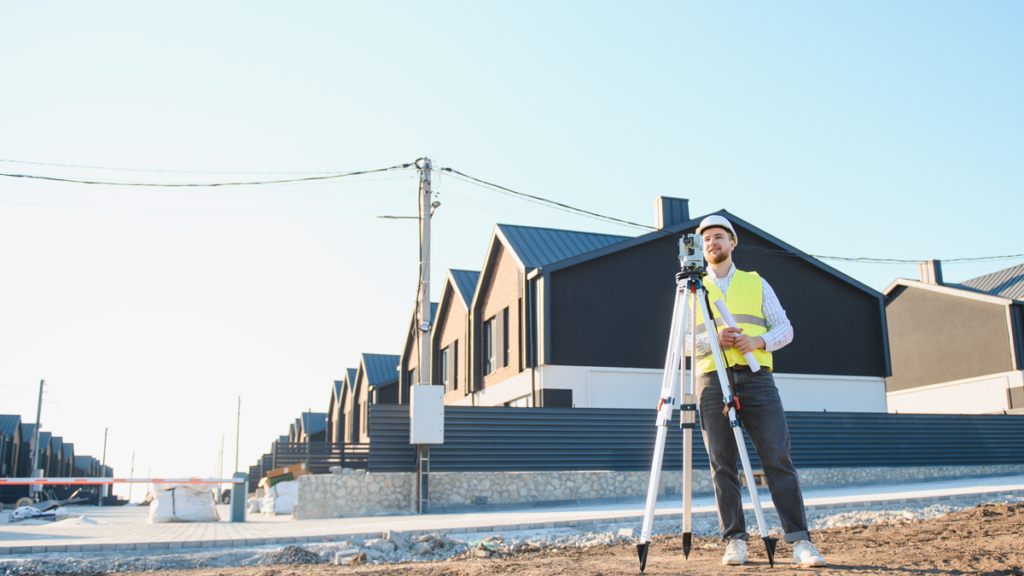
Acquiring real estate in Dubai represents a significant financial commitment. Whether you are purchasing an apartment, a villa, or a resale property, verifying its actual physical condition prior to finalizing the purchase or accepting handover is essential.
A comprehensive property inspection Dubai helps identify defects and installation issues that are easily missed during a standard walkthrough. From walls, tilework, doors, and windows to electrical fixtures, plumbing, air conditioning, and paint finishing, an in-depth evaluation offers complete clarity on the overall state of the unit.
At SnagAssure, we deliver professional property inspection and snagging services to help buyers document defects and make informed decisions.
What Is a Property Inspection?
A property inspection is a thorough assessment carried out to uncover poor workmanship, unfinished items, and quality issues across the premises.
Rather than relying on a brief casual viewing, a professional assessment systematically evaluates the functional and structural aspects of the home.
Depending on the layout, an inspection can cover different parts of a property, including:
- Walls and ceilings
- Flooring and tiles
- Doors and windows
- Electrical outlets
- Lighting fixtures
- Plumbing systems
- Water flow and drainage
- Air conditioning units
- Kitchens
- Bathrooms
- Balconies and accessible external areas
- Paint and finishing
- Visible evidence of damp or leaks
The main goal is to record defects that require rectification or further review before acceptance.
Why Is Property Inspection Important in Dubai?
Dubai’s property market includes thousands of apartments, villas and newly constructed developments. While properties may look excellent during a viewing, certain defects can be difficult to notice without a systematic inspection.
A professional property inspection company in Dubai can help you identify problems before they become your responsibility.
An inspection can help you:
- Identify defects before handover
- Document issues clearly
- Request necessary repairs
- Understand the condition of the property
- Reduce the risk of unexpected repair costs
- Make a more informed purchasing decision
- Protect your investment
For new properties, inspection is particularly useful before handover so that defects can be reported to the developer at the appropriate stage.

When Should You Inspect a Property?
The best time for a property inspection depends on the type of property and your stage in the buying process.
Before Buying a Resale Property
For a resale property, an inspection before completing the purchase can help you understand its current condition.
It may reveal issues that are not immediately visible during a standard viewing, allowing you to make a more informed decision.
Before New Property Handover
If you are purchasing a newly constructed apartment or villa, a professional inspection before handover can help identify defects that need to be addressed.
This process is commonly referred to as property snagging.
After Handover
An inspection can also be useful after moving into a property if you discover defects or problems that were not identified earlier.
What Does a Property Inspection Cover?
A professional inspection should cover the major accessible areas of the property.
1. Walls and Ceilings
Inspectors look for visible issues such as:
- Cracks
- Uneven surfaces
- Poor paint finishing
- Stains
- Dampness
- Inconsistent plastering
- Visible signs of water leakage
Small finishing defects may appear minor, but documenting them early can help ensure they are corrected properly.
2. Floors and Tiles
Flooring is another important area to inspect.
Checks may include:
- Damaged tiles
- Cracked tiles
- Uneven flooring
- Hollow-sounding tiles
- Poor grout work
- Scratches
- Gaps between flooring materials
A detailed inspection can identify finishing issues that may not be obvious during a quick property visit.
3. Doors and Windows
Doors and windows should operate smoothly and close properly.
An inspection may check:
- Door alignment
- Locks and handles
- Hinges
- Window operation
- Glass condition
- Sealing
- Gaps around frames
- Visible damage
Proper sealing is especially important because gaps can affect comfort and energy efficiency.
4. Electrical Systems
Electrical components should be checked where safely accessible.
This can include:
- Power sockets
- Light switches
- Light fixtures
- Electrical panels
- Visible wiring
- Functional testing of accessible points
Any electrical issue that requires specialist attention should be assessed by a qualified professional.
5. Plumbing and Bathrooms
Bathrooms and plumbing areas require careful attention because leaks can result in significant damage if left unresolved.
Inspection points may include:
- Taps
- Sinks
- Toilets
- Showers
- Drainage
- Water flow
- Visible leaks
- Sealant
- Grout
- Bathroom fixtures
Early detection of plumbing problems can help prevent more serious issues later.

AC and Ventilation Inspection
Air conditioning is an essential part of comfortable living in Dubai.
A property inspection may include checking accessible AC-related components and looking for visible issues such as:
- Uneven cooling
- Unusual sounds
- Water leakage
- Damaged vents
- Poor finishing around vents
- Condensation-related issues
- Airflow concerns
Where specialist testing is required, an appropriately qualified HVAC professional may be recommended.
Kitchen Inspection
The kitchen contains several fixtures and appliances that should be checked before accepting a property.
An inspection may include:
- Kitchen cabinets
- Cabinet doors and hinges
- Countertops
- Sink and taps
- Drainage
- Tiles
- Electrical sockets
- Sealant
- Appliance installation
- Visible plumbing connections
Checking these areas before handover can help identify defects while the developer or responsible party can still address them.
Apartment vs Villa Property Inspection
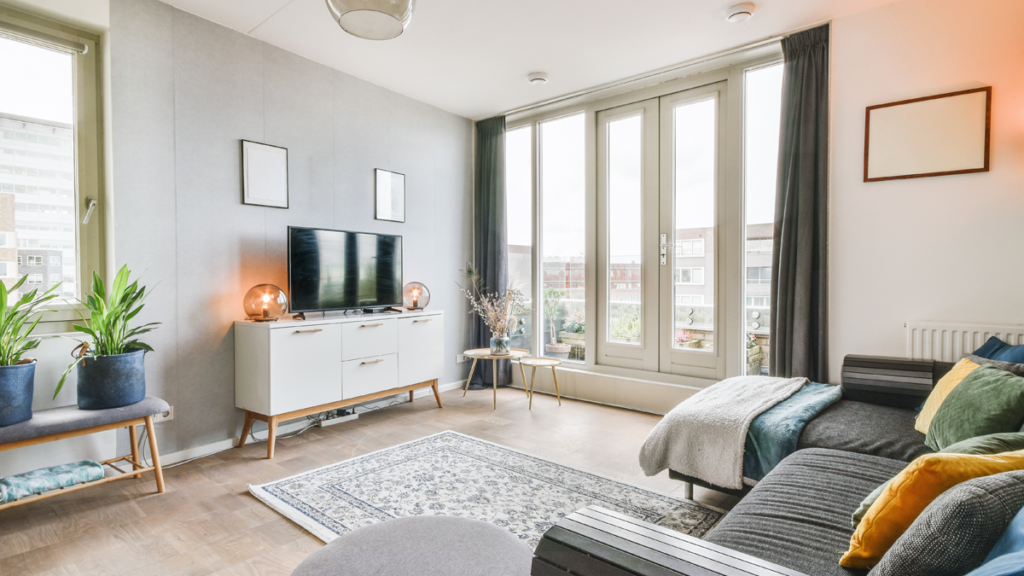
The inspection process can vary depending on the type of property.
Apartment Inspection
For apartments, attention is generally given to:
- Internal finishes
- Walls and ceilings
- Flooring
- Doors and windows
- Electrical fixtures
- Plumbing
- Bathrooms
- Kitchen
- AC and ventilation
- Balcony areas
Villa Inspection
A villa inspection may involve additional areas such as:
- Multiple floors
- Staircases
- External walls
- Balconies and terraces
- Roof-accessible areas
- Garden areas
- External doors
- Parking areas
- Pool areas, where applicable
- Additional plumbing and electrical points
Because villas are typically larger and more complex, a detailed inspection can help identify a wider range of potential defects.
Common Property Defects Found During Inspections
Some defects are easy to notice, while others can be overlooked during a normal viewing.
Common findings can include:
- Cracked or damaged tiles
- Poor paintwork
- Uneven surfaces
- Misaligned doors
- Window sealing problems
- Damaged fixtures
- Plumbing leaks
- Poor drainage
- Defective switches or sockets
- AC-related issues
- Incomplete finishing
- Poor silicone or sealant application
- Cabinet alignment problems
- Moisture or staining
Not every defect indicates a serious structural problem. However, documenting issues properly allows the appropriate party to investigate and rectify them.
Why Choose a Professional Property Inspection Company in Dubai?
A property buyer may notice obvious problems during a viewing, but a systematic professional inspection can provide a more structured assessment.
A professional inspection service can help by:
Providing a Systematic Inspection
Instead of checking only the areas that are immediately visible, an inspector can follow a structured inspection process.
Documenting Defects
Identified issues can be recorded clearly so they can be communicated to the developer, seller or relevant party.
Saving Time
Inspecting a property thoroughly can take considerable time, especially for larger villas.
Helping Buyers Make Informed Decisions
A detailed report can give buyers a better understanding of the property’s condition and the areas that require attention.
What Happens After a Property Inspection?
After the inspection, the identified defects should be documented and communicated to the relevant party.
For a new property, this may involve submitting the snagging findings to the developer or contractor and requesting rectification.
After repairs are completed, a follow-up inspection can help confirm whether the reported issues have been addressed satisfactorily.
This process can provide additional confidence before you fully accept the property’s condition.
Choose Snagasure for Property Inspection in Dubai
Buying a property is a significant financial commitment, and identifying defects early can help protect your investment.
Snagasure provides professional property inspection and snagging services in Dubai, helping buyers identify defects, document issues and understand the condition of their property.
Whether you are purchasing a new apartment, villa or resale property, a detailed inspection can help you approach the purchase or handover with greater confidence.
Planning to buy or receive a property in Dubai? Let Snagasure inspect it before you accept it.
Book Your Property Inspection Today